Preventive Cardiac Care & Risk Assessment


About Service
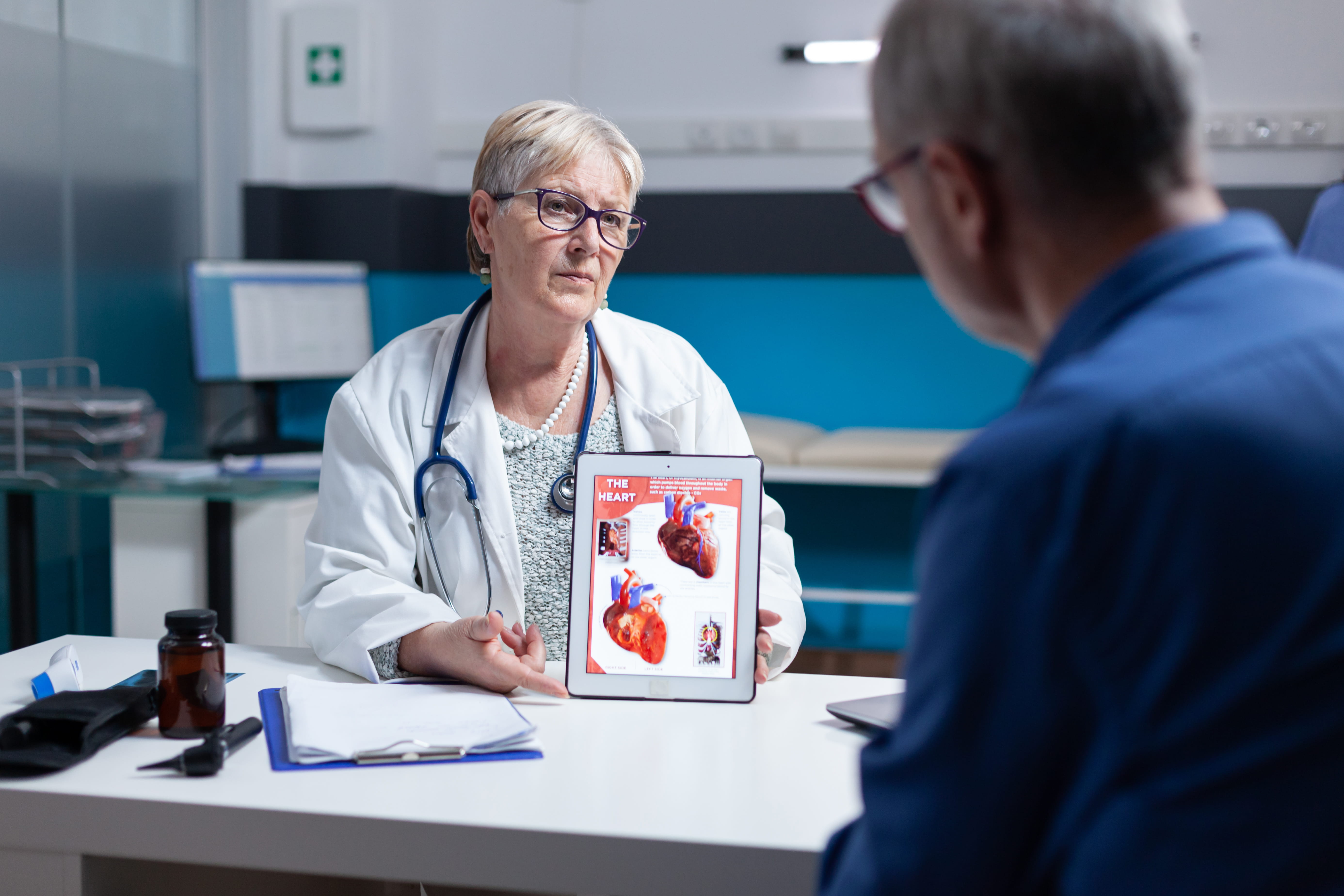
Prevention is one of the most powerful tools in cardiac care. Dr. Noorul Qamar offers comprehensive risk assessments to identify early warning signs of heart disease — especially important for individuals with a family history, diabetes, hypertension, or a sedentary lifestyle.
Through targeted screening and personalized preventive guidance, patients can significantly reduce their risk of developing serious cardiac conditions in the future.
Treatment Process
Risk Factor Review: Assessment of family history, lifestyle, and existing conditions like diabetes or hypertension.
Screening Tests: ECG, lipid profile, blood pressure monitoring, and other relevant screenings.
Risk Stratification: Dr. Qamar evaluates your overall cardiac risk level based on test results and history.
Preventive Plan: Personalized recommendations covering diet, exercise, and, if needed, preventive medication.
Periodic Reassessment: Regular follow-up screenings to track improvement and adjust the prevention plan.
Why Choose Us
- Early detection focus to prevent future cardiac events
- Comprehensive risk factor evaluation
- Personalized, practical preventive guidance
- Special attention to high-risk groups (diabetes, hypertension, family history)
- Ongoing support to sustain heart-healthy habits
Frequently Asked Questions
Q1. Who should consider a cardiac risk assessment?
Individuals with a family history of heart disease, diabetes, hypertension, obesity, or a sedentary lifestyle should consider regular screening.
Q2. What does a cardiac risk assessment include?
It typically includes ECG, blood pressure check, lipid profile, and a detailed review of lifestyle and family history.
Q3. At what age should I start preventive cardiac screening?
Screening is generally recommended from the age of 30–35 onward, or earlier if risk factors are present.
Q4. Can preventive care actually reduce my risk of heart disease?
Yes, early identification of risk factors combined with lifestyle changes and, if needed, medication can significantly lower your risk.
More Services